
Testosterone deficiency syndrome and hypoactive sexual desire

Testosterone Deficiency Syndrome (TDS) is a clinical and biochemical syndrome associated with age, characterized by symptoms suggestive of testosterone deficiency and a reduction in serum testosterone levels.
Why does testosterone deficiency syndrome occur?

In most cases, the reason for consulting a urologist/andrologist is erectile dysfunction or reduced libido. However, beyond these symptoms, testosterone deficiency is associated with a range of conditions that negatively impact men’s health.

Both plasma testosterone levels and its carrier proteins undergo significant changes related to aging. While total testosterone and albumin levels tend to decrease, SHBG levels (sex hormone-binding globulin) increase. As a result, more testosterone in the plasma will bind to SHBG, leading to a reduction in the free and bioavailable testosterone fractions. Therefore, free and bioavailable testosterone levels will decrease with age more significantly than total testosterone levels. Studies have shown that by the age of 80, men have only 50% of the testosterone levels observed in healthy 20-year-old men.

Testosterone replacement therapy

The decrease in serum testosterone levels will lead to, among other effects, a reduction in sexual function and mood, as well as decreased bone mineral density and changes in body composition.

The main goal of testosterone replacement therapy is to restore normal physiological testosterone concentrations. The method of testosterone replacement therapy depends on availability, safety, tolerability, effectiveness, and the preference of both the patient and the doctor. Currently, injectable forms and transdermal gels are available.

What is hypoactive sexual desire?

Hypoactive sexual desire (HSDD), or low sexual desire, is the persistent absence of erotic thoughts, fantasies, and lack of motivation to engage in sexual activity.

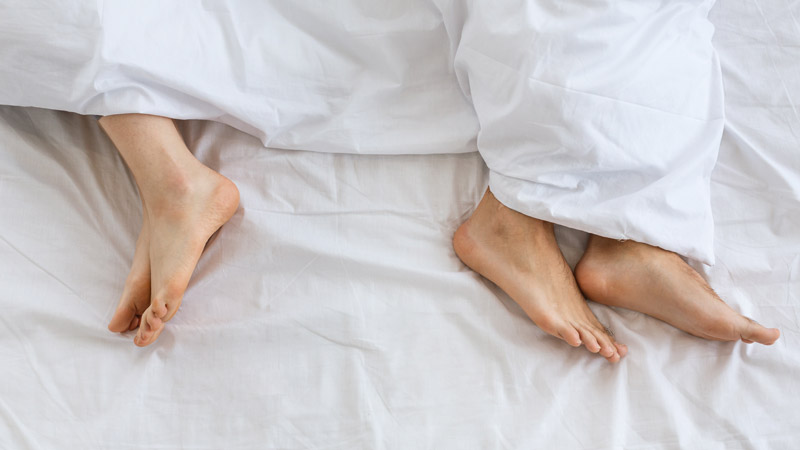
Pareja con problemas sexuales

Often, individuals with HSDD avoid any form of sexual contact. The person neither initiates (spontaneous desire) nor responds to their partner (receptive desire). As a result, lack of desire can lead to relationship issues, although sometimes it is the cause, and other times, it is the consequence.

This lack of interest can occur in any area of sexuality in general (generalized HSDD) or specifically towards a partner (situational HSDD).

Decreased desire can be secondary to erectile dysfunction or other sexual disorders, making the condition multifactorial (organic, psychological, and/or environmental factors).

Psychological treatment for hypoactive sexual desire

The goal is to recover motivation for sexual interactions and erotic fantasies.

Icono de TAUS

Psychoeducation and realistic thinking: "A man doesn't always feel like it."

Icono de TAUS

Use techniques for physical-emotional reconnection with the partner (sensory focusing).

Icono de TAUS

Incorporate ideas to boost desire, such as sexual games and/or erotic toys to diversify, innovate, and enrich eroticism.

Icono de TAUS

Discover and promote desire triggers.

Icono de TAUS

Try other erotic activities without penetration to help the couple get used to and train in diversifying sexual practices.

Icono de TAUS

It is advised to establish a more or less stable sexual rhythm to create a habit by scheduling intimacy encounters.

We help you regain a fulfilling sex life.

Do you have more questions about the treatment for testosterone deficiency syndrome or hypoactive sexual desire? Our team of experts is here to help you.

Privacy Overview

This website uses cookies so that we can provide you with the best user experience possible. Cookie information is stored in your browser and performs functions such as recognising you when you return to our website and helping our team to understand which sections of the website you find most interesting and useful.