
Peyronie’s disease in Barcelona
Peyronie’s disease is characterized by the formation of fibrous plaques in the tunica albuginea of the corpora cavernosa, which may lead to penile curvature, shortening, or narrowing.
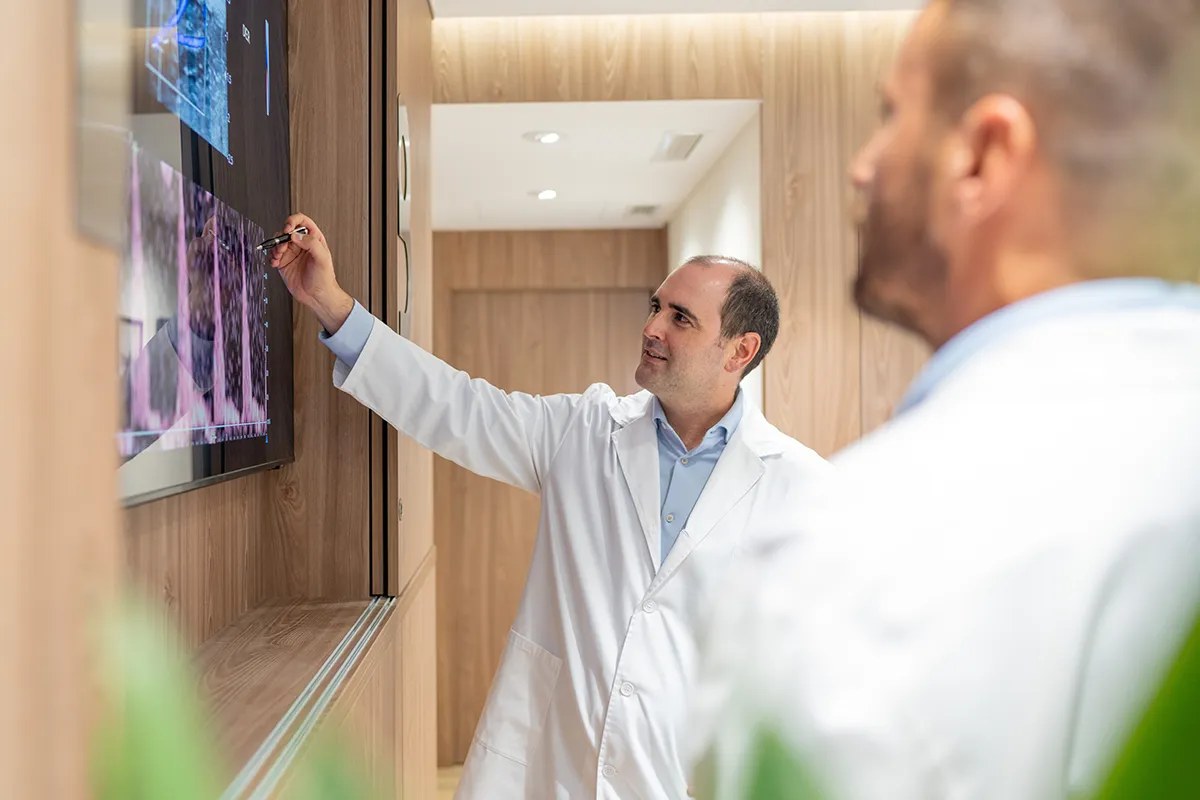
Experts in Peyronie's disease in Barcelona
At Andrología Barcelona, we approach Peyronie’s disease from an advanced medical perspective, combining specialized expertise with fully personalized care. Our team, with extensive experience in andrology and urology, develops tailored treatments aimed at restoring sexual well-being and improving quality of life.

Josep Torremadé Barreda
Dr. Josep Torremadé Barreda holds a medical degree from the University of Barcelona and is a specialist in Urology trained at Bellvitge University Hospital. He currently serves as Head of Andrology at Hospital Clínic de Barcelona and has extensive experience in the diagnosis and treatment of Peyronie’s disease, addressing each case on an individualized basis and guided by medical evidence.

Xavier Bonet Puntí
Dr. Xavier Bonet Puntí graduated in Medicine from the University of Barcelona and specialized in Urology at the Hospital Universitari de Bellvitge. He currently works as an attending physician at Andrología Barcelona and serves as the Medical Director of Andrología Mallorca. He has extensive experience in the medical and surgical treatment of Peyronie’s disease, including reconstructive techniques and personalized approaches tailored to the stage and characteristics of each patient.
What is Peyronie's disease?
Peyronie’s disease is a benign penile condition that affects a significant number of men, particularly from the age of 50 onwards. It is characterized by the formation of fibrous plaques in the tunica albuginea of the corpora cavernosa, which may cause penile curvature, shortening or narrowing, as well as pain during erection and difficulty maintaining satisfactory sexual intercourse.
Stages of Peyronie's disease
1
Acute inflammatory phase
This corresponds to the initial phase of Peyronie’s disease, lasting approximately between 6 and 12 months.
Characteristics of this phase
During this period, pain during erection may appear, along with progressive penile curvature and the formation of fibrous plaques, which tend to increase in size.
2
Chronic fibrotic phase
After approximately 12 months from the onset of Peyronie’s disease, pain usually subsides.
Characteristics of this phase
In this phase, penile deformity stabilizes and plaques harden, without significant changes in curvature.
The average age of onset of Peyronie’s disease is around 50 years, and its prevalence increases with age, rising from approximately 1.5% at 30 years to nearly 6.5% in men over 70.
The best specialists in Peyronie’s disease in Barcelona
If you are concerned about penile curvature, pain, or difficulties maintaining sexual intercourse due to Peyronie’s disease, at Andrología Barcelona we have a medical team specialized in its diagnosis and treatment.
Frequently asked questions about Peyronie's disease
Can Peyronie’s disease go away on its own?
In some cases, Peyronie’s disease may improve without treatment, but this is uncommon. It is estimated that only a small percentage of patients experience spontaneous improvement. In most cases, the curvature remains stable or may even worsen over time. For this reason, an early medical evaluation is recommended to determine the most appropriate follow-up or treatment strategy.
When is surgery necessary?
Surgery for Peyronie’s disease is typically recommended when the penile curvature is significant, has stabilized (chronic phase), and interferes with or prevents sexual intercourse. It may also be indicated in cases where other treatments have not been effective or when there is a severe deformity. The choice of surgical technique depends on each individual case and should be assessed by a specialist in andrology.
Is Peyronie’s disease painful?
Pain is a common symptom during the early stages of Peyronie’s disease, especially during erections. This pain usually decreases or disappears over time as the condition enters a stable phase. However, the curvature or deformity may persist even after the pain has resolved.
Can I have sexual intercourse with Peyronie’s disease?
This depends on the degree of curvature and the stage of the condition. In mild cases, many individuals are able to have sexual intercourse without major difficulties. However, when the curvature is more pronounced or pain is present, intercourse may become uncomfortable or difficult. An accurate diagnosis allows for evaluation of treatment options to improve sexual function and overall quality of life.
Which are the causes and symptoms of Peyronie's disease?
Although the exact cause of Peyronie’s disease cannot always be determined, it is considered to be related to an alteration in the penile tissue healing process, usually following significant trauma or repeated microtrauma, which may go unnoticed by the patient.
In Peyronie’s disease, the influence of other factors that increase the risk of developing the condition is frequently observed, such as genetic predisposition, smoking, diabetes, and advanced age, all of which favor the formation of the characteristic fibrous plaques.

Causes
- Genetic predisposition
- Repeated trauma or microtrauma
- Smoking
- Diabetes
- Advanced age

Symptoms
- Appearance of a plaque or palpable hardening
- Pain, more common in the early stages
- Progressive curvature of the penis, which may make sexual intercourse difficult or impossible
- Penile shortening or deformities
Medical treatments for Peyronie’s disease in Barcelona
Although not all patients choose to undergo treatment, it has been observed that without treatment, Peyronie’s disease progresses in approximately 48% of cases, stabilizes in 40%, and only improves spontaneously in 12%. For this reason, at Andrología Barcelona we recommend early diagnosis and treatment of Peyronie’s disease in Barcelona.
Treatment is usually carried out during the stable phase, when the deformity is no longer progressing. In patients who are in the inflammatory phase, the approach is mainly focused on pain control through medical treatment and analgesic measures.
At our center, we manage Peyronie’s disease in Barcelona in a comprehensive and personalized manner, adapting treatment to the stage of progression and severity of each case.
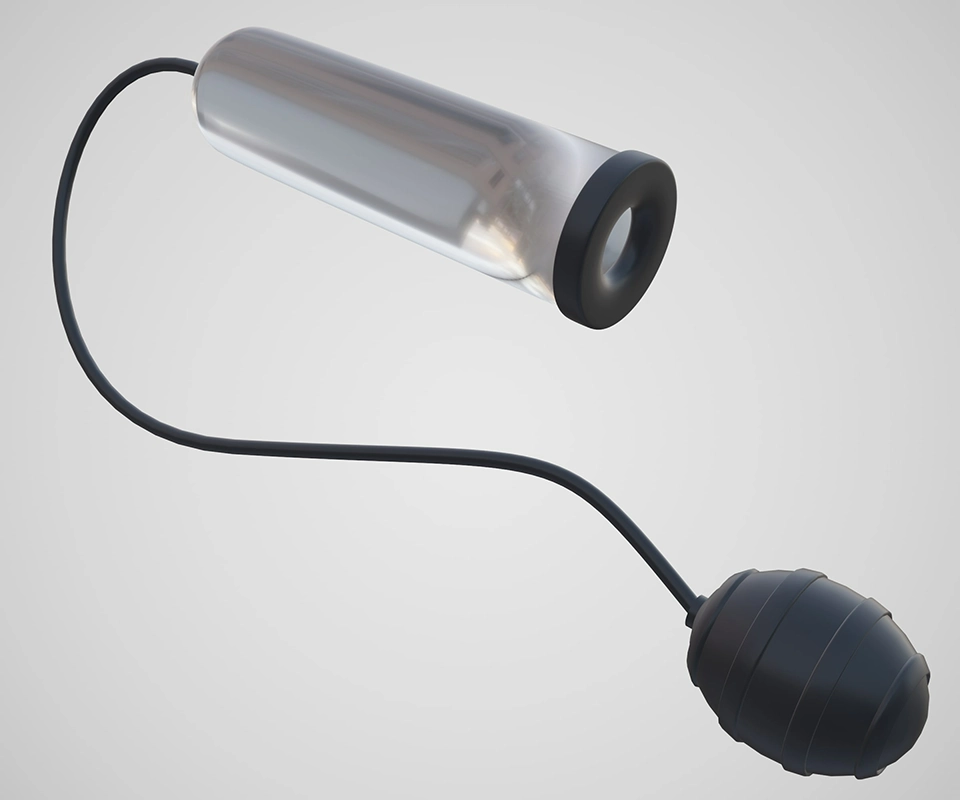
Traction and vacuum devices
A non-invasive option for the treatment of Peyronie’s disease in Barcelona is the use of traction and vacuum devices, whose objective is to progressively stretch the penis, helping to reduce curvature and remodel scar tissue.
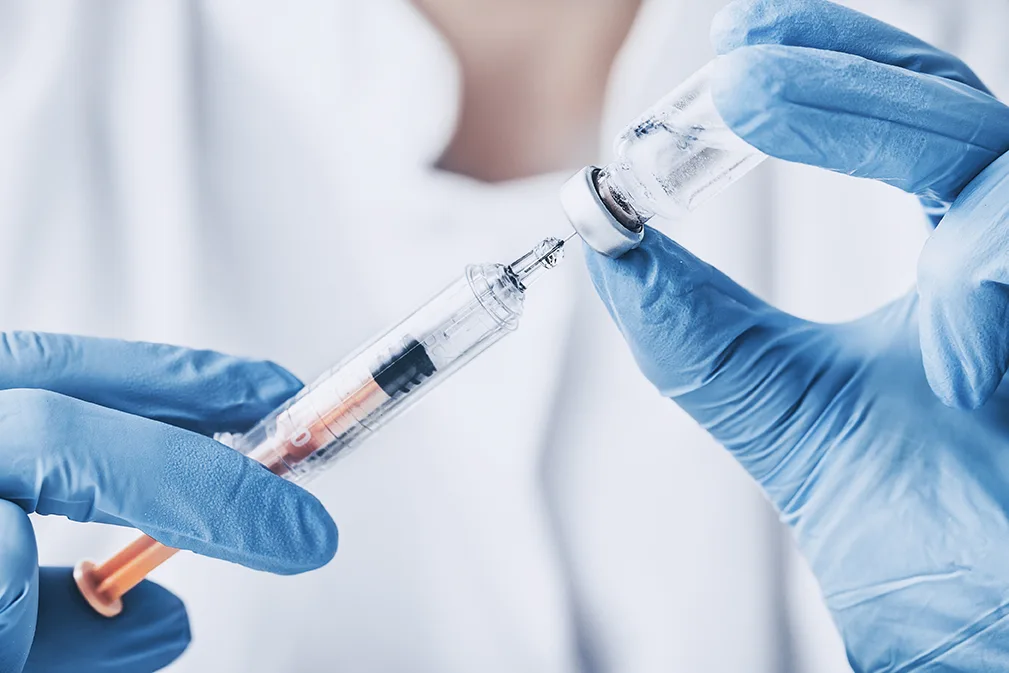
Intraplaque treatment
It consists of the injection of Clostridium collagenase or hyaluronic acid directly into the fibrous plaque. It is indicated for mild to moderate curvatures and may achieve a curvature reduction of up to 34% in selected patients.
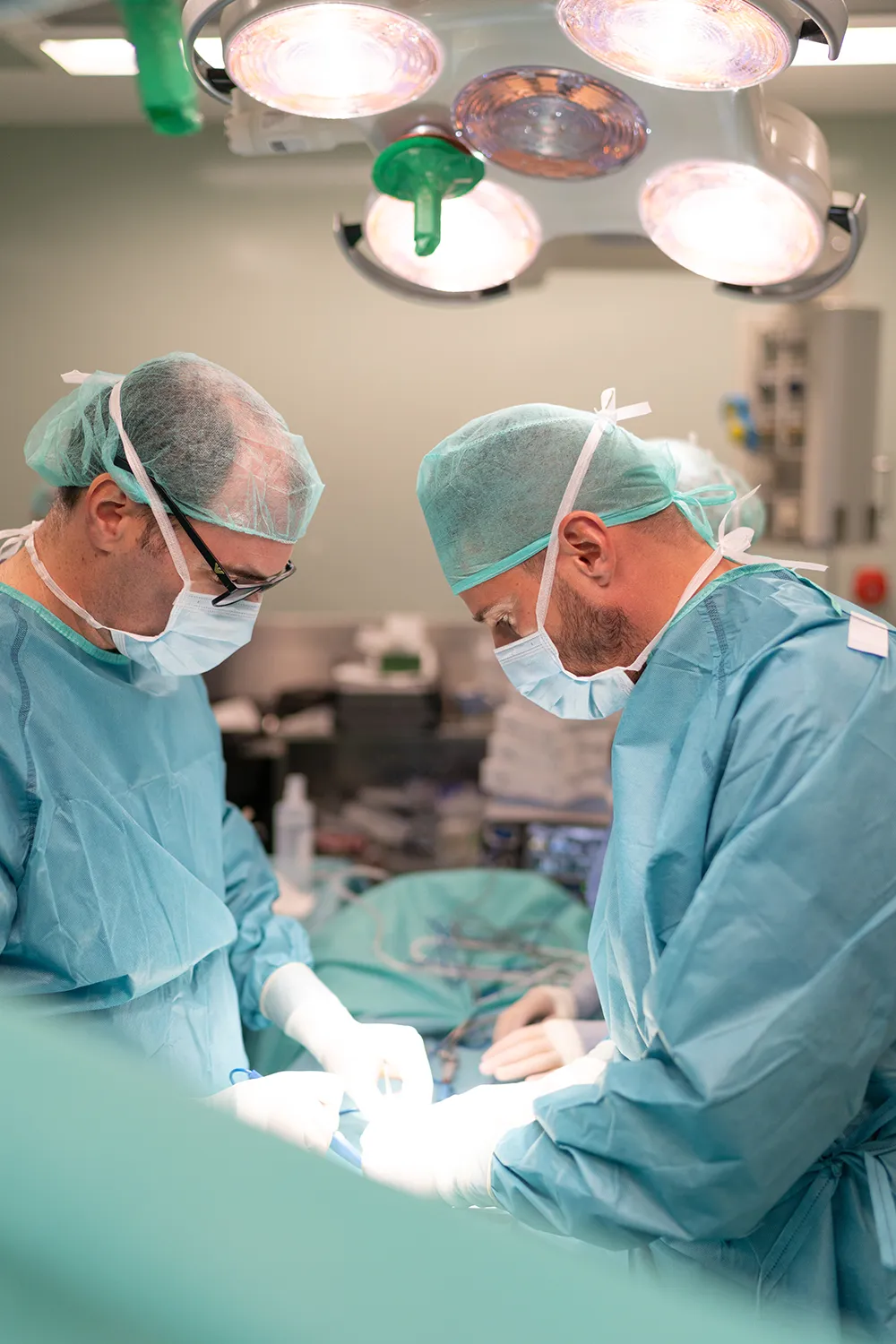
Surgery for Peyronie’s disease
Surgery is indicated in advanced cases or when conservative treatments have not been sufficient. Plication techniques may be performed for mild to moderate curvatures, while grafting techniques are indicated for severe curvatures and require incision or excision of the plaque with placement of a graft.
Penile prosthesis
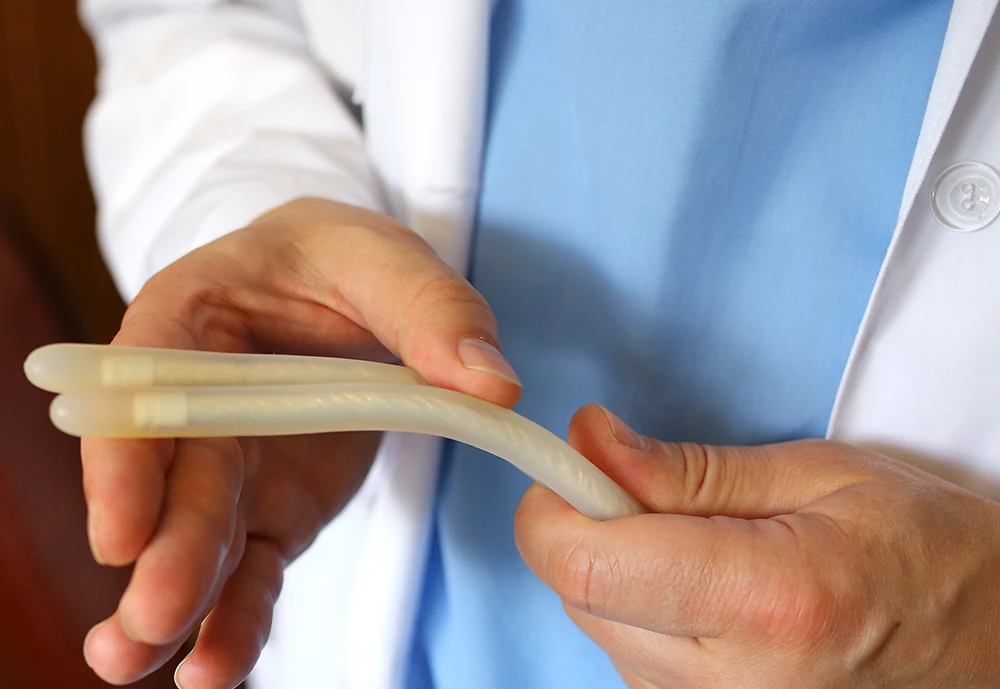
In cases of severe deformities associated with erectile dysfunction, penile prosthesis implantation may be the best therapeutic option. At Andrología Barcelona, we work with different types of penile implants, selecting the most appropriate one for each patient.
Perovial: new minimally invasive treatment
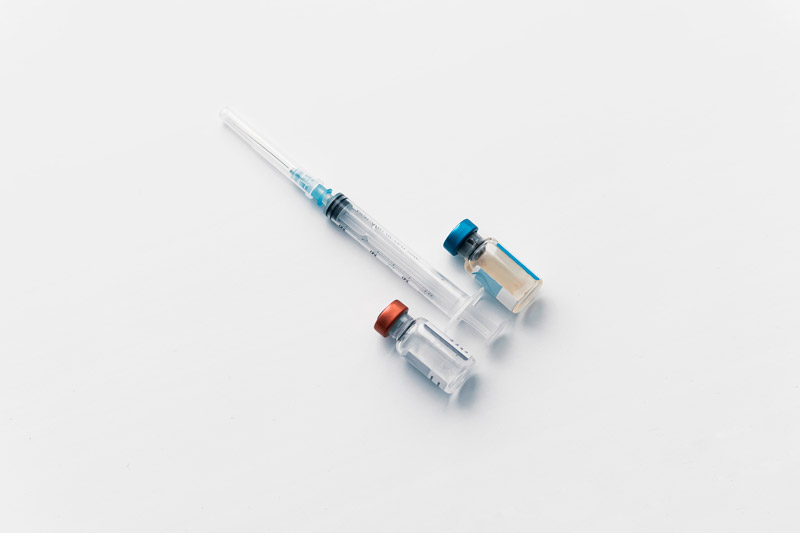
At Andrología Barcelona, we have introduced Perovial, an innovative therapy based on intralesional injections of hyaluronic acid, specifically indicated for Peyronie’s disease in its acute phase.
This treatment helps to soften fibrous plaques, reduce curvature, and relieve pain, promoting tissue remodeling in a personalized way according to each patient’s characteristics.
Would you like more information about Peyronie’s disease?
Contact our team and we will answer all your questions about the diagnosis and treatment of Peyronie’s disease in Barcelona, with a specialized and confidential medical approach.