Treatment of Benign Prostatic Hyperplasia in Barcelona (BPH)
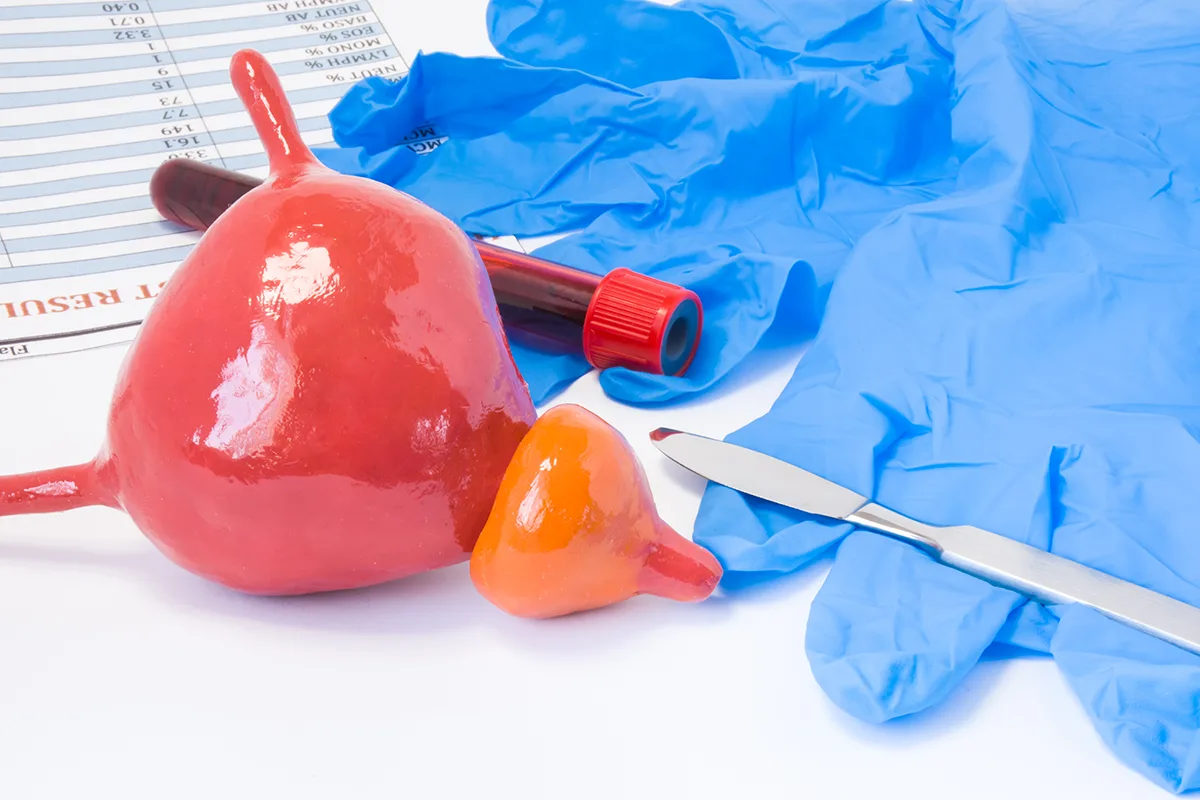
Benign prostatic hyperplasia (BPH) is a non-cancerous enlargement of the prostate that can make urination difficult, causing symptoms such as weak urine stream, urinary urgency or increased frequency of urination.
Experts in benign prostatic hyperplasia in Barcelona
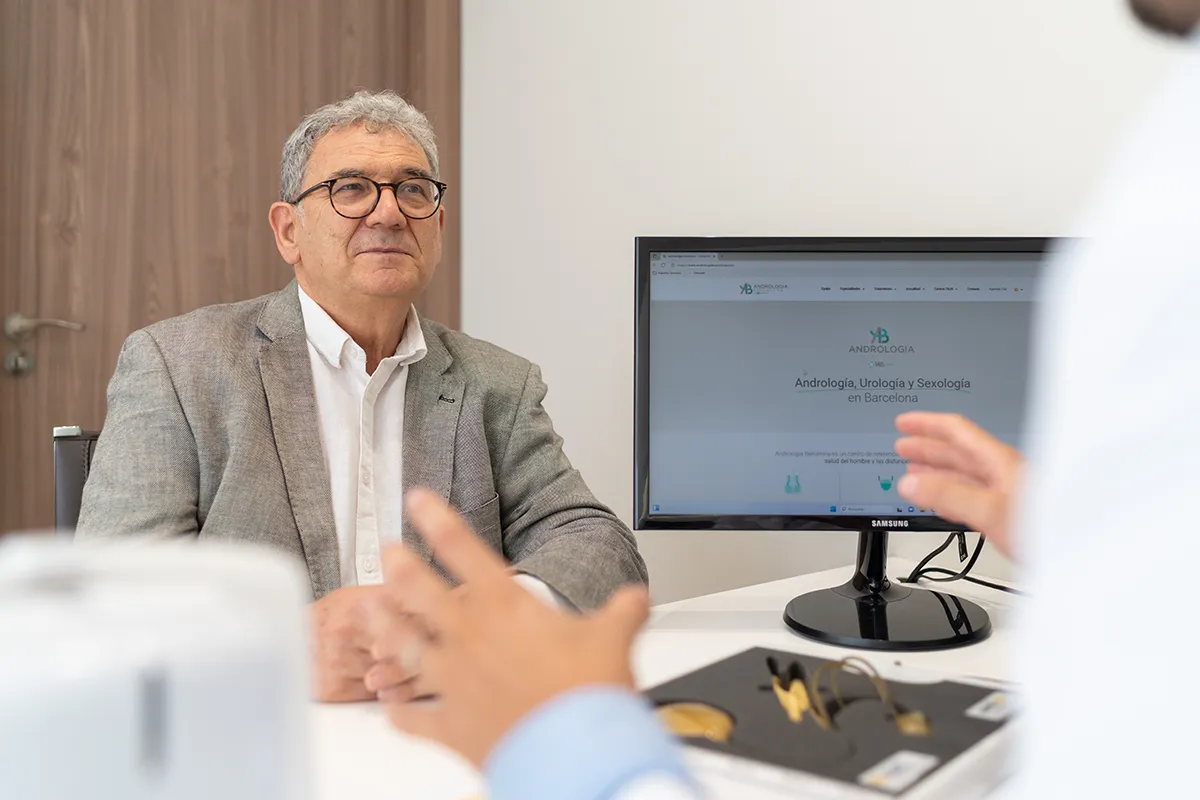
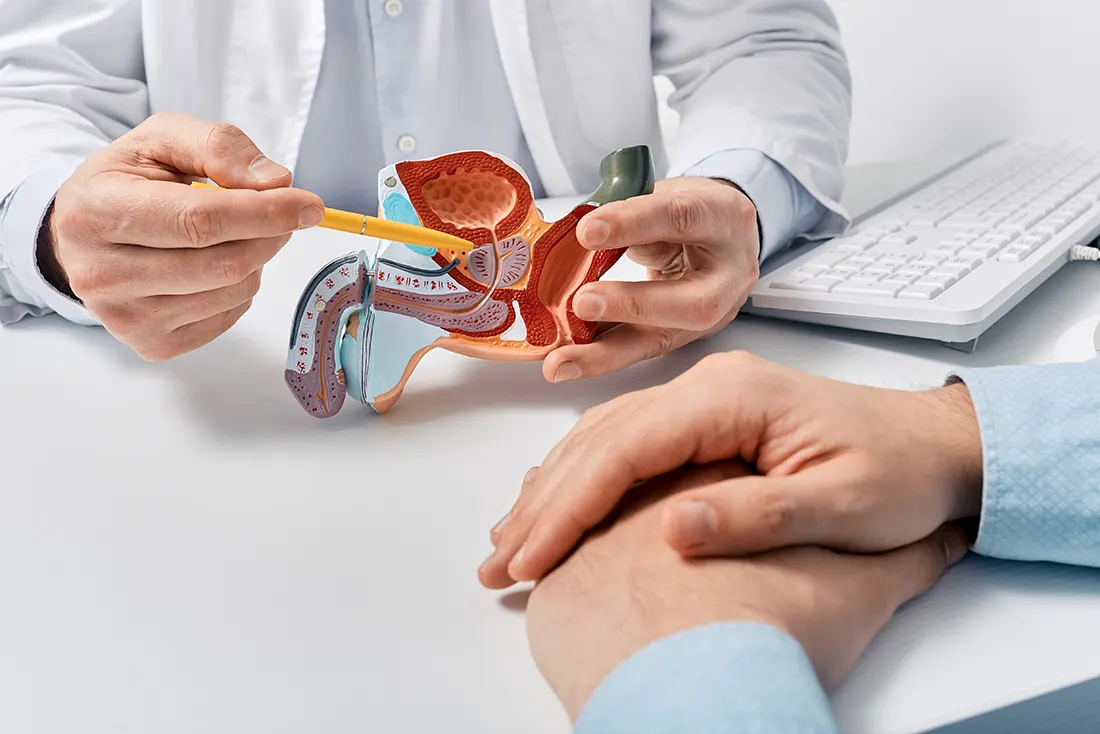
At Andrología Barcelona, we approach benign prostatic hyperplasia from an advanced medical perspective, combining clinical experience, cutting-edge technology and a personalized approach. Our goal is to improve urinary symptoms with the most appropriate treatment for each patient.
More than 50% of men ovre 50 present symptoms, and more than 80% over 70 years age.
Symptoms of benign prostatic hyperplasia
Symptoms usually develop gradually and may include difficulty starting urination, weak urine stream, incomplete emptying sensation, or increased frequency of urination, especially at night. In some cases, urinary urgency or leakage may also occur.
If these symptoms appear, a specialist evaluation is recommended to determine the cause and prevent progression.
Treatment must be tailored to each patient depending on symptoms, prostate size and personal preferences. At Andrología Barcelona we offer all current therapeutic options, from medical treatment to minimally invasive techniques and advanced surgery.
Oral medication
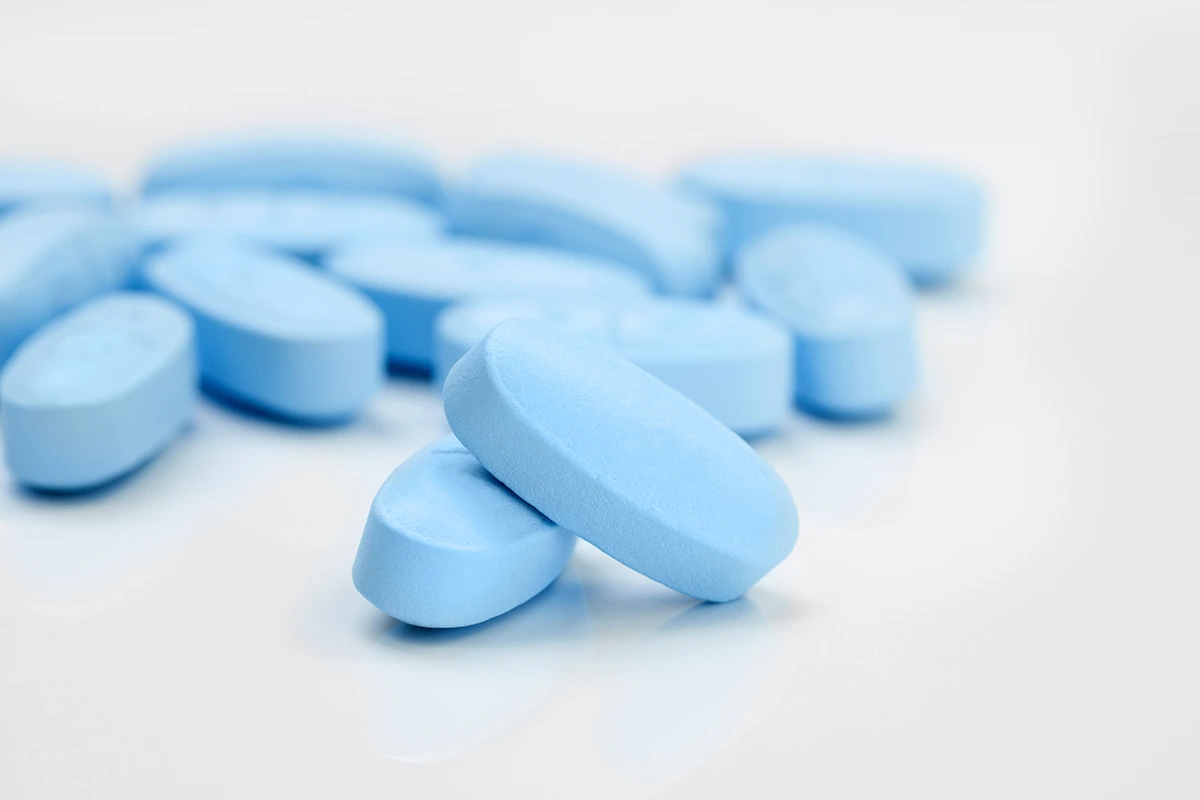
Pharmacological treatment is initiated when lifestyle changes are not enough to control symptoms or prevent complications.
Alpha-blockers relax the prostate muscles and improve urine flow without reducing prostate size, being more effective in smaller prostates.
5-alpha-reductase inhibitors reduce prostate size and are more useful in larger prostates.
Antimuscarinics and beta-3 agonists act on the bladder and are used for storage symptoms such as urgency or frequency.
Tadalafil 5 mg is the only PDE5 inhibitor approved for BPH, improving both urinary symptoms and erectile function, although it is not suitable for all patients.
Phytotherapy may be used in selected cases, although its efficacy is variable except for some standardized extracts such as Serenoa repens.
In some cases, drug combinations such as alpha-blockers with 5-alpha-reductase inhibitors or anticholinergics may improve treatment efficacy.
Surgical treatment aims to remove obstructive prostate tissue while preserving the prostate capsule and surrounding structures.
The most commonly used techniques are endoscopic surgeries performed through the urethra with minimally invasive approaches.
Transurethral resection of the prostate (TURP) removes small fragments of prostate tissue using an electric loop.
Transurethral incision of the prostate is used in small prostates and involves making cuts to improve urine flow without removing tissue.
Prostatic vaporization removes tissue using thermal energy or laser, with less bleeding and shorter hospitalization, although reintervention may be needed in some cases.
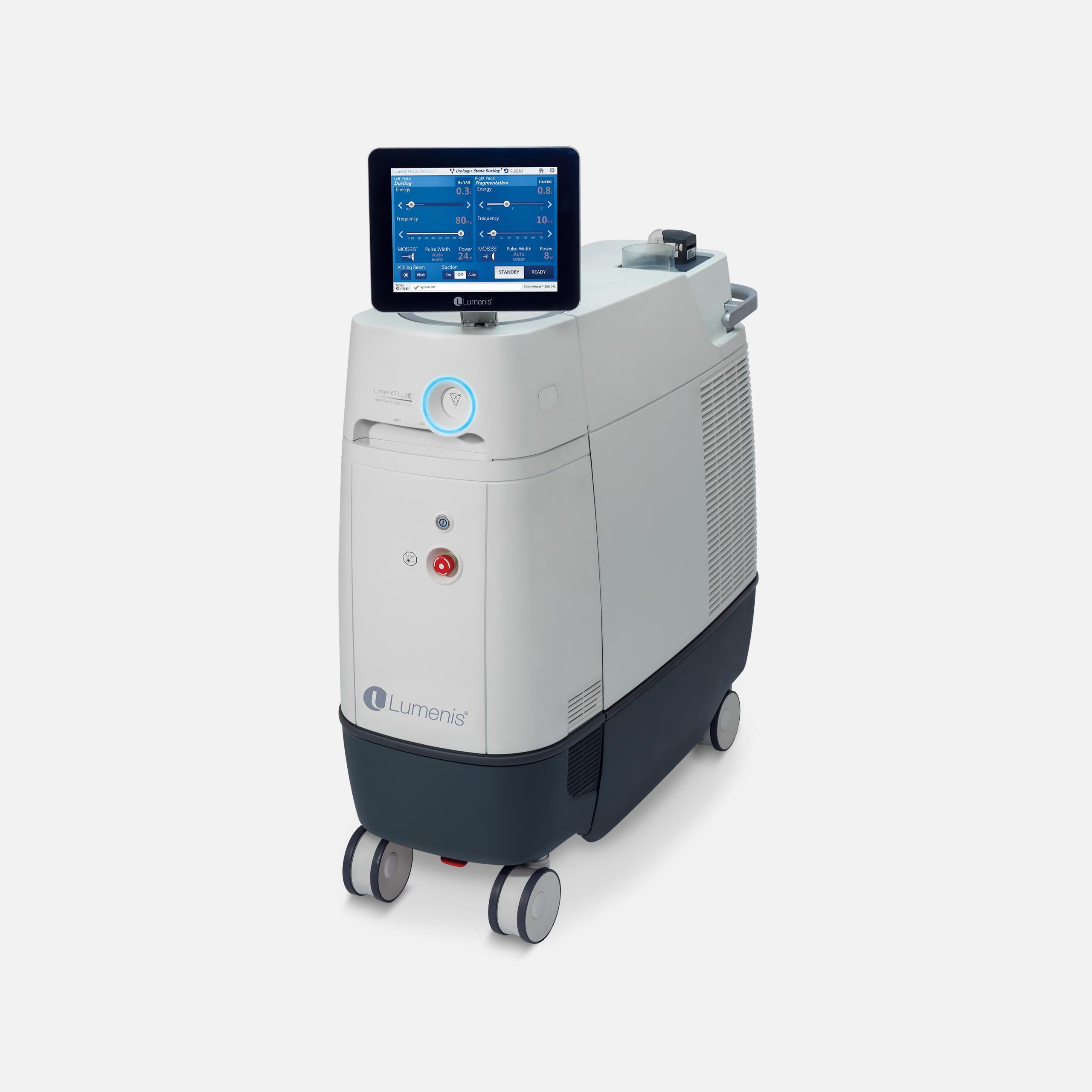
Endoscopic enucleation is an advanced technique for large prostates, involving complete removal of the adenoma and is commonly performed using the Holmium laser.
Open or laparoscopic surgery is reserved for selected cases, usually when the prostate is very large or endoscopic techniques are not possible.
Open simple prostatectomy (adenomectomy)
Open simple prostatectomy (adenomectomy) is the traditional technique. It is more invasive but offers excellent long-term results and is typically indicated for very large prostates (>80 ml) when enucleation is not feasible.
Laparoscopic or robotic simple prostatectomy
Laparoscopic or robotic simple prostatectomy is a modern alternative that offers less bleeding, shorter hospital stay and faster recovery, with similar functional outcomes.
Minimallyinvasive procedures
Minimally invasive treatments are less aggressive alternatives to surgery, allowing improved urine flow with faster recovery and, in many cases, preservation of ejaculation.
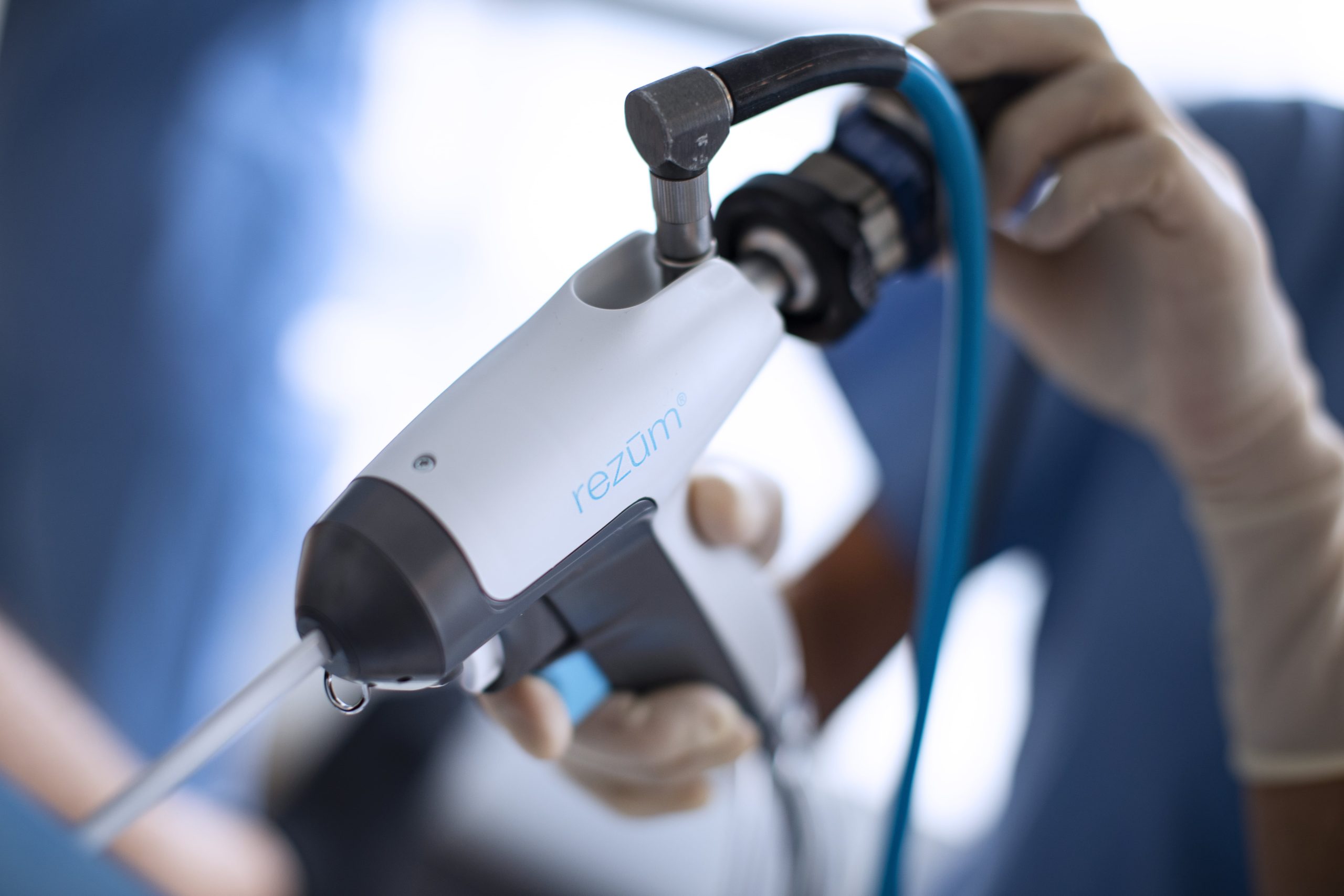
Rezum
Rezum uses thermal energy in the form of water vapor to reduce prostate volume.
UroLift uses small permanent implants to open the urinary channel by compressing the prostate, improving symptoms with fast recovery and preservation of ejaculation.
iTind
iTind is a temporary device that expands inside the urethra for several days to remodel the urinary channel.
Aquablation uses a high-pressure water jet to precisely remove prostate tissue, offering good functional results and ejaculation preservation.
In all cases, treatment choice must be individualized and performed by an experienced multidisciplinary team.
Book an appointment in Barcelona
If you experience urinary symptoms or are looking for a specialist in benign prostatic hyperplasia in Barcelona, our team can help you with a full evaluation and personalized treatment.