
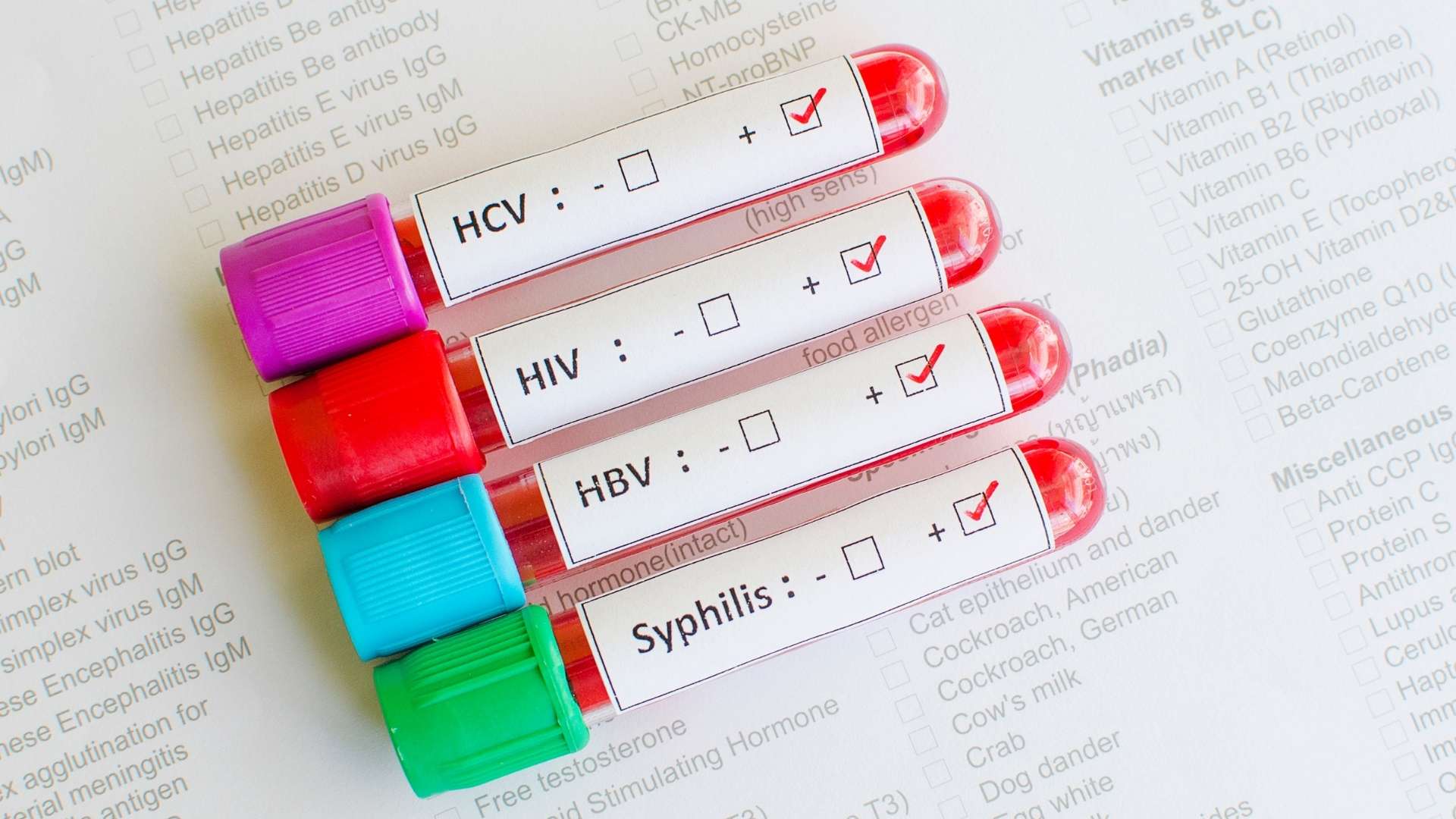
Not all sexually transmitted diseases can be cured, but this does not mean they cannot be treated. Some infections can be completely eliminated with the right treatment, while others do not disappear from the body, although there are treatments that can control them and reduce their symptoms and complications.
That is why, if you may have been exposed or symptoms appear, it is important to see a specialist. At Andrología Barcelona, our specialists can help identify the infection through the necessary tests and establish the most appropriate treatment.
Which sexually transmitted diseases can be cured?
Currently, some of the most common STDs can be completely cured with the appropriate treatment. These include:
- Chlamydia: a bacterial infection that can be treated and cured with antibiotics. In many cases, it does not cause symptoms, so getting tested can be important if there is a risk of infection.
- Gonorrhea: this can also be cured with antibiotics, although increasing antibiotic resistance is making it more difficult to treat.
- Syphilis: a bacterial infection that can be cured with the appropriate treatment. However, if it is not detected and treated in time, it can cause serious complications.
- Trichomoniasis: caused by a parasite, it can also be cured with treatment.
The fact that an STD can be cured does not mean it can be ignored. Early diagnosis and treatment help prevent complications and reduce the risk of transmitting the infection to other people.
Which sexually transmitted diseases cannot be cured?
Some STDs are caused by viruses that currently cannot be completely eliminated from the body. These include HIV, genital herpes and chronic hepatitis B infection, among others.
This does not mean that there is no treatment. In fact, current treatments can control many of these infections and reduce their impact on health.
HIV
There is currently no cure that eliminates HIV from the body, but antiretroviral treatments can control the virus and help people maintain a good quality of life. Treatment can also reduce the risk of sexual transmission of HIV to the point where sexual transmission does not occur when an undetectable viral load is maintained.
Genital herpes
The herpes simplex virus remains in the body, so there is currently no treatment that can eliminate it completely. However, antiviral medications can reduce the duration and severity of outbreaks and help control the infection.
Hepatitis B
In some cases, hepatitis B infection clears on its own, while other people develop a chronic infection. When it becomes chronic, antiviral medications can help control the virus and reduce liver damage. There is also an effective vaccine to prevent the infection.
Human papillomavirus (HPV)
HPV deserves special consideration. Although some types of HPV can remain in the body and others can cause genital warts or lesions that require monitoring, most HPV infections clear on their own thanks to the immune system’s response.
There are also vaccines that help prevent the types of HPV that can cause certain cancers.
What happens if an STD is not treated?
Although some STDs can be cured, leaving them untreated can have serious consequences. Chlamydia and gonorrhea, for example, can cause complications such as pelvic inflammatory disease and infertility. Syphilis can also affect different organs if it remains untreated.
In addition, some infections can increase the risk of acquiring or transmitting HIV. Therefore, if you suspect an infection, it is not advisable to wait for the symptoms to disappear on their own or to self-medicate.
STDs can be treated: the important thing is to detect them
So, do all sexually transmitted diseases go away? No. Some, such as chlamydia, gonorrhea, syphilis and trichomoniasis, can be cured with the appropriate treatment. Others, such as HIV or herpes, currently have no definitive cure, but treatments are available to control the infection.
The most important thing is not to wait for symptoms to appear. Early diagnosis makes it possible to start treatment when necessary, prevent complications and reduce the risk of transmission.